



Loyalty Program

Login or Create an Account to collect and redeem rewards.  Learn More.

Purchase
Points
Redeem

[MYCURRENTPOINT]

Bar Soap Versus Body Wash: Which Is Better?

Bar Soap Versus Body Wash: Which Is Better?

A shower can be a fast rinse before school drop-off, or ten quiet minutes with warm water, fragrant steam, and a door that stays firmly closed. That is why the bar soap versus body wash question is more personal than it first appears. The better choice is not necessarily the one with the prettiest bottle or the fanciest lather. It is the one that suits your skin, your habits, and the small ritual you want to create.

Bar Soap Versus Body Wash: The Real Difference

At their core, both bar soap and body wash are made to lift away oil, sweat, and daily grime. The difference lies in format, formula, and experience. A well-made bar begins as a blend of oils and butters that is transformed into soap, then cured into a firm, long-lasting bar. Body wash is a liquid cleanser, usually built around water, cleansing ingredients, humectants, fragrance, and preservatives that keep the formula stable in the bottle.

Neither format is automatically superior. A dry-skinned person may adore a creamy, thoughtfully formulated bar with a generous feel, while someone who enjoys a plush loofah-and-lather moment may reach for body wash every time. Skin can also change with the season, hormones, age, medication, and climate, so your preference is allowed to change right along with it.

The more useful question is this: what do you want from your shower? A simple, low-waste cleanse? A rich foamy ritual? A skin-softening finish? A scent that clings softly to the air after you step out? Once you know that, choosing becomes much easier.

Why a Handcrafted Bar Feels So Special

A beautiful bar soap is not merely a solid version of cleanser. When made with care, it can turn an ordinary sink or shower ledge into a little still life: creamy swirls, botanical color, a ribbon of petals, and a fragrance that makes washing up feel far less ordinary.

The ingredient story matters. Bars crafted with oils such as golden olive oil and creamy coconut oil can offer a satisfying cleanse with a lovely, cushiony lather. Different oils contribute different qualities. Coconut oil is known for bubbly lather and cleansing power, while olive oil is often cherished for its gentle, silky character. Butters and other nourishing additions can make the bar feel more luxurious in use.

A handcrafted bar also invites a slower kind of attention. You feel its weight in your palm. You notice its scent before the water even runs. You choose a fragrance for your mood: bright citrus for an early start, soft florals for a feminine pause, warm vanilla or woodsy notes for an evening wind-down. It is practical, yes, but it can still feel like a small treat.

There is a less glamorous benefit, too: bars are often wonderfully efficient. A hard, well-cured bar that is stored properly can last through many showers. There is no pump to clog, no bottle to balance upside down when it is nearly empty, and often far less packaging to manage.

The key to making bar soap last

Do not let a bar sit in a puddle. Give it a draining dish, tray, or soap saver so air can circulate around it between uses. This simple detail helps preserve the bar, keeps it from turning soft, and makes every shower feel a touch more put together.

If more than one person uses the shower, a fresh bar can be shared comfortably when it is rinsed after use and allowed to dry. For anyone who prefers a personal bar, keeping one in a labeled dish or travel tin is an easy solution.

When Body Wash May Be the Better Fit

Body wash earns its place, especially for people who prefer a liquid formula, use a washcloth or shower pouf, or want a very specific skin-care experience. Some body washes are formulated with humectants, creams, or gentle surfactant systems that may feel especially comfortable for dry or reactive skin.

Liquid cleanser can also be convenient. A pump is easy to use one-handed, body wash spreads quickly across a washcloth, and it is often the more familiar format for families with children. For shaving, some people find the slippery consistency of a creamy body wash helpful, though a rich bar lather can work beautifully for that purpose as well.

The trade-off is that body wash contains water, so it generally requires preservatives to stay safe and stable over time. That is not a flaw. It is simply part of responsible formulation. Water-based products need protection from microbes, particularly in a warm, damp bathroom.

Packaging is the other consideration. Many body washes come in plastic bottles, although refill options and recyclable packaging can reduce the impact. If reducing bathroom clutter and packaging waste is high on your list, a bar may feel like the more satisfying choice.

What Your Skin Is Actually Asking For

Skin type matters more than the bar-versus-bottle debate. If your skin feels tight, itchy, or flaky after bathing, the issue may be the cleanser, water temperature, frequency of washing, or all three. Very hot showers can leave skin feeling stripped no matter what you use.

For dry or sensitive skin, look for a cleanser with a short, clear ingredient approach and avoid assuming that more foam means more moisture. A mountain of bubbles can feel delightfully indulgent, but it is not a measure of how well a product will suit your skin. Fragrance can be part of the pleasure for many people, yet those with fragrance sensitivities may be happiest with an unscented option or a formula designed for sensitive skin.

If you are prone to eczema, persistent irritation, or unexplained rashes, a dermatologist can help you identify triggers. A lovely handmade soap can be a beautiful daily companion, but skin concerns deserve personal, professional guidance rather than guesswork from a product label.

“Natural” is not a skin-type guarantee

Botanical ingredients, essential oils, and gorgeous fragrance notes can make a product feel wonderfully considered. Still, natural does not automatically mean gentle for every person. Citrus oils, florals, and other aromatic ingredients can be a delight for one shower and too much for another person’s skin.

Patch testing a new product is a sensible habit, especially if your skin is easily upset. Start slowly, pay attention to how your skin feels after use, and let comfort be the deciding factor. Your shower should leave you refreshed, not negotiating with a rash.

Scent, Texture, and the Ritual You Want

This is where the practical answer gets deliciously subjective. A bar soap can perfume a bathroom in a quiet, charming way, resting beside the sink like a petite piece of art. Body wash often delivers fragrance in a more immediate cloud of lather, particularly when used with a sponge or cloth.

Consider how you like to move through your day. If you want a streamlined morning routine, a bar at the shower may be all you need. If your evening shower is your at-home spa moment, a silky body wash, a soft washcloth, candlelight, and a favorite body cream may be exactly the mood.

You do not have to pledge allegiance to one format. Keep a bright, uplifting bar at the bathroom sink for frequent handwashing and a body wash in the shower for days when you crave abundant lather. Or take the opposite route: choose a handcrafted bar for bathing and reserve body wash for travel, guests, or shaving. There are no shower police, darling.

A Thoughtful Choice for Gifting

For gifts, bar soap has a natural advantage. It is easy to wrap, lovely to display, and feels intentional without requiring the recipient to know their exact body-care routine. Paired with a candle, room spray, or a soft spa accessory, it becomes a polished little invitation to take a breath.

Body wash can also make a generous gift when it is part of a coordinated self-care set. The best choice depends on the recipient. A frequent traveler may appreciate a compact bar, while someone who loves a long, foamy shower may be thrilled by a beautifully scented body wash.

At Dirty Girl Soap Studio, the joy is in choosing products that make the everyday feel cared for, from fragrant petals and creamy lather to the last warm rinse of the day.

Choose the cleanser that makes you want to linger for one more breath of fragrance, then store it well, use it generously, and let your daily wash be a small, lovely promise to yourself.


How to Use Body Scrub for Soft, Glowing Skin

How to Use Body Scrub for Soft, Glowing Skin

A body scrub should leave your skin feeling like silk, not like it has been argued with. Knowing how to use body scrub is less about scrubbing harder and more about creating a small, delicious ritual: warm water, fragrant crystals, a gentle massage, and the kind of moisturizer that seals in the glow.

When used well, a body scrub smooths away dull, flaky skin and lets the softest version of you take center stage. Used too often or too aggressively, though, even the prettiest sugar scrub can leave skin feeling tight, tender, or irritated. The secret is a light hand and a little restraint – very chic, very effective.

How to Use Body Scrub Without Overdoing It

The best moment for a body scrub is in the shower or bath, once your skin has had a few minutes in warm water. Let the water soften the surface of your skin first. Scrubbing dry skin creates unnecessary friction, while soaking for too long can make skin more sensitive and less able to enjoy the treatment.

Wash first if you need to, especially after a long day, a workout, or sunscreen-heavy time outdoors. Then turn the water down slightly or step away from the stream before reaching for your scrub. This keeps the jar free from excess water and prevents the product from slipping away before it has a chance to work its magic.

Begin with a small scoop

Start with about a teaspoon or two for one area, depending on the texture of the scrub and the size of the area you are treating. A little goes farther than most people expect, particularly with a lush scrub blended with nourishing oils or creamy butters.

Warm the scrub between your palms, then apply it to damp skin using small, slow circles. Think massage, not sanding. Your hands should glide over the skin with just enough pressure to feel the grains doing their work.

Spend extra time where roughness tends to gather: heels, ankles, knees, elbows, and the backs of upper arms. These areas can handle a little more attention than your chest or inner arms, but they still do not need force. If your skin turns noticeably red or stings, ease up and rinse.

Work from the limbs toward the center

Starting at your feet and moving upward is an easy way to make the ritual feel intentional. Massage your calves and thighs in broad circles, then move to your arms, hands, and shoulders. This technique is calming, practical, and far more pleasant than hurriedly attacking one elbow while the shower runs cold.

For your hands, gently massage the scrub over knuckles, cuticles, and palms. For feet, focus on the heels and balls of the feet, then rinse carefully. The oils that make a scrub feel so luxurious can also make the shower floor slippery, so keep one steady hand nearby and rinse the tub when you are finished.

Rinse, pat, and moisturize right away

Rinse with lukewarm water until the grains are gone. Your skin may still feel lightly conditioned, especially if the formula contains oils such as coconut or olive oil, and that soft finish is part of the experience. There is no need to wash it away with soap after scrubbing unless the product instructions specifically suggest it.

Step out and pat your skin dry rather than rubbing it briskly with a towel. While your skin is still slightly damp, apply body lotion, body butter, or a few drops of body oil. This is where the velvety finish happens. Exfoliation removes the dull surface layer, while moisture helps keep the freshly revealed skin comfortable and supple.

Choose the Right Scrub Texture for Your Skin

Not every body scrub feels the same, and texture matters. Sugar scrubs generally dissolve more quickly in warm water and often feel gentler, making them a lovely choice for regular use and delicate areas of the body. Salt scrubs tend to feel more invigorating and can be especially satisfying on feet, knees, and elbows, though they may sting after shaving or on sensitive skin.

A scrub suspended in nourishing oils feels rich and spa-like, leaving behind a satiny finish. A whipped or buttery formula can be especially welcome during dry-weather months, when skin wants both exfoliation and comfort. If you prefer a cleaner rinse, look for a lighter texture and follow it with your favorite moisturizer.

Fragrance is part of the pleasure, too. Bright citrus can make a morning shower feel fresh and awake, while lavender, vanilla, florals, or warm woods create a slower evening mood. At Dirty Girl Soap Studio, the most memorable self-care moments are never rushed – they are made of good ingredients, fragrant petals, and a few minutes that belong entirely to you.

How Often Should You Use a Body Scrub?

For most people, once or twice a week is plenty. That schedule keeps rough patches in check without asking too much of your skin barrier. If your skin is naturally dry, reactive, or prone to eczema, start once a week or even every other week, using a finely textured scrub and very gentle pressure.

If you have oily or resilient body skin and love the smooth feeling of exfoliation, twice weekly may be comfortable. More is not necessarily better. Daily physical exfoliation can lead to dryness, tiny irritated bumps, or a persistent tight feeling that no amount of body butter quite fixes.

Season matters as well. In winter, central heating, cold air, and heavier clothing can leave skin looking dull, but they can also make it more easily irritated. A nourishing scrub once a week may be ideal. In summer, you may enjoy exfoliating before showing off your legs or applying self-tanner, but avoid scrubbing sunburned skin. Let it heal first.

When to Skip the Scrub

A body scrub is a treat, not an obligation. Skip it over sunburn, fresh cuts, rashes, bug bites, or areas that are actively irritated. Do not use it immediately after waxing, and give freshly shaved skin a little breathing room if it tends to sting. Salt-based scrubs, in particular, can make tiny nicks feel very dramatic.

It is also wise to keep body scrub away from your face unless the product is specifically formulated for facial skin. Facial skin is thinner and usually needs a gentler approach. The same goes for intimate areas: keep scrubs external, avoid mucous membranes, and choose mild, fragrance-conscious care if you are prone to sensitivity.

If you use prescription retinoids, strong acne treatments, or medicated body products, check with a dermatologist before adding regular exfoliation. The right routine depends on what your skin is already managing.

A Few Scrub Habits That Make a Difference

Keep water out of the jar whenever possible. Use dry hands or a clean spoon to scoop out what you need, then close the lid tightly. This helps preserve the texture and keeps your beautiful jar of sugar, oils, and scent feeling fresh.

Do not save all your exfoliation for the night before a special event. A gentle scrub can leave skin beautifully smooth, but overdoing it in a last-minute rush may cause redness. If you are preparing for a vacation, a dressy dinner, or a self-tan, test your rhythm a week or two ahead. You will learn how much pressure and how often your particular skin enjoys.

For self-tanner, exfoliate the day before or several hours before application, paying special attention to ankles, knees, elbows, and wrists. Follow with lightweight moisture on those dry spots. This helps color develop more evenly without clinging to rough patches.

The loveliest body-care routines are built on attention, not perfection. Put on a candle, choose a scent that suits the hour, and let the scrub do only what it is meant to do: polish away the day and leave you feeling soft enough to make dirty plans.

How to Use Shower Steamers for a Spa-Worthy Shower

How to Use Shower Steamers for a Spa-Worthy Shower

A shower steamer is a small luxury with excellent timing. On the mornings when a long soak simply is not in the cards, it turns a practical rinse into a fragrant little escape – no bathtub, bath tray, or extra hour required. Learning how to use shower steamers is less about doing it perfectly and more about finding the sweet spot where warm water, rising steam, and beautiful fragrance meet.

Unlike a bath bomb, a shower steamer is made to perfume the air, not your skin. It fizzes as it meets water, releasing its scent into the steam around you. Think bright citrus to wake up a sleepy morning, soft florals for an unhurried evening, or cool minty notes when you want the bathroom to feel fresh and clear. It is a simple ritual, but one that makes an ordinary Tuesday feel a little more like a treat.

How to Use Shower Steamers Without Washing Them Away

Start your shower and let the water run warm enough to create a little steam. Place one shower steamer on the floor or on a shower ledge where it will get a light, occasional splash of water rather than a direct blast from the showerhead. The edge of the shower, near but not beneath the stream, is usually ideal.

Once the tablet starts to fizz, the fragrance will begin to rise with the steam. Step in, breathe normally, and let the scent become part of the experience while you wash. There is no need to rub a shower steamer on your body, use it as soap, or place it in a washcloth. It is an aromatic shower companion, not a cleansing bar.

Placement is the detail that makes the biggest difference. A steamer placed directly under the water can disappear in minutes, giving you a quick burst of fragrance but little staying power. Set farther from the spray, it may last most or all of your shower. Neither approach is wrong. It depends on whether you prefer a bold opening note or a slower, more lingering ritual.

Choose a Spot for Your Shower Style

Every shower has its own personality. A roomy walk-in shower may have a quiet corner that catches just enough overspray. In a smaller stall, a steamer can sit on a shelf or in a soap dish that receives a few droplets. If your shower floor drains quickly and the tablet keeps skittering toward the drain, use a shallow dish with drainage holes or a dedicated shower steamer holder.

Avoid placing it where you might step on it. Besides being messy, a wet steamer can make footing less secure. Keep it away from the strongest part of the stream and away from places where water pools. A little water activates the magic. A puddle ends the party early.

Make the Scent Last Longer

Shower steamers are designed to be used once, though their lifespan varies with size, formula, water pressure, and placement. If yours dissolves faster than you would like, move it a few inches farther from the spray next time. You can also briefly wet one edge of the tablet, then place it in a drier corner so it releases fragrance gradually.

For a shorter shower, placing the steamer slightly closer to the water gives you a fuller scent experience right away. For a longer, leisurely shower, begin it at the edge of the splash zone and nudge it a touch closer only if the fizz slows too much. That small adjustment gives you more control than most people realize.

Humidity matters, too. Store unused steamers somewhere cool and dry, ideally in their original sealed packaging or an airtight container. Leaving them on the bathroom counter exposes them to damp air, which can soften the tablet and dull the crisp fizz before shower time. A beautifully made steamer deserves better than a premature spa day.

Pair the Fragrance With the Moment

Scent can gently set the tone for a routine. A zesty lemon, grapefruit, or orange-forward shower steamer feels especially lovely for morning showers, when you want something bright and polished rather than heavy. Eucalyptus, peppermint, and fresh herbal blends bring a cool, clean atmosphere to a post-workout rinse or a late-afternoon reset.

At night, reach for lavender, rose, vanilla, sandalwood, or other softer notes that make the room feel calm and cocooning. This is not about promising a particular result from fragrance. It is about choosing a scent that suits the mood you want to create. A shower can be brisk and practical, or it can be five fragrant minutes with the door closed and the world politely waiting outside.

A Few Shower Steamer Safety Notes

Shower steamers are generally straightforward to use, but they are concentrated aromatic products and deserve a little common sense. Keep them out of reach of children and pets, and do not ingest them. Avoid direct contact with your eyes, and wash your hands after handling one if you are prone to touching your face in the shower.

If you have sensitive skin, fragrance sensitivities, asthma, or a known reaction to essential oils or fragrance ingredients, read the product label before use and take a cautious approach. Because shower steamers are intended for the shower floor or a holder rather than direct skin application, they offer a different experience than body products. Still, everyone’s comfort level is personal. Stop using a product that causes irritation or discomfort.

Be mindful of surfaces, too. The fizzing ingredients and fragrance oils can leave residue depending on the formula and your shower materials. Rinse the area after use, especially if you have natural stone, a textured floor, or a surface that tends to hold product. A quick rinse keeps the space fresh and ready for tomorrow’s little indulgence.

Common Questions About Using Shower Steamers

Can you use a shower steamer like a bath bomb?

Not quite. A bath bomb is formulated for a tub full of water and often contains skin-loving oils, color, or other bath-friendly extras. A shower steamer is formulated to release fragrance in the steam of a running shower. It is not meant to soak in bathwater or serve as a body cleanser.

Why can’t I smell my shower steamer very well?

First, check the placement. If the tablet is too far from any water, it may not fizz enough to release its fragrance. If it is directly under a forceful showerhead, it may dissolve before the room has time to fill with scent. Move it into a lightly splashed area and give the shower a minute to build steam.

Ventilation, bathroom size, and personal scent preference also matter. A powerful exhaust fan, an open shower door, or a very large bathroom can carry fragrance away quickly. Try using the steamer after the room has warmed slightly, and choose a fragrance family you naturally notice and enjoy.

Can I break a shower steamer in half?

You can, provided it breaks cleanly and is stored dry afterward. This can be useful if you prefer a lighter fragrance or a very short shower. The trade-off is that a broken piece is more vulnerable to humidity and crumbling, so seal the unused portion promptly. For the neatest experience, many people prefer one whole tablet positioned farther from the water.

How often should I use them?

As often as your routine and preferences allow. Some people save shower steamers for Sunday evenings, guests, or moments that call for extra softness. Others keep a jar nearby and make an ordinary morning shower feel special several times a week. There is no ceremony required, although a little ceremony can be very nice.

A handcrafted shower steamer from Dirty Girl Soap Studio is a lovely addition to a gift box, but it also makes a thoughtful gift to yourself – the kind that asks for nothing more than warm water and a few quiet minutes.

Set one where the spray can just kiss the edge, let the fragrance bloom, and give your next shower permission to be more than a task. You have places to be, darling, but you can still make dirty plans with your self-care ritual.

15 Hostess Gift Ideas That Feel Thoughtfully Chosen

15 Hostess Gift Ideas That Feel Thoughtfully Chosen

A good host has already done the invisible work: chilled the wine, fluffed the pillows, set out the good napkins, and made room at the table. The best hostess gift ideas honor that effort with something lovely, useful, and pleasantly unexpected. It need not be extravagant. It simply needs to feel like you noticed the care.

The sweet spot is a gift your host can enjoy after the last glass is washed and the door clicks shut. Think a candle that warms the room, a beautifully wrapped bar of soap by the sink, or a small collection of spa essentials that turns an ordinary evening into a proper exhale. A thoughtful gift says, “Thank you for making us feel at home,” without requiring your host to serve, share, refrigerate, or politely pretend to love it.

Hostess Gift Ideas for Every Kind of Gathering

The occasion gives you a clue, but the host’s style matters more. A casual backyard supper calls for a different gesture than a holiday weekend, a housewarming, or a friend who has invited you to stay for two nights. Let the gift feel at home in their space rather than like a generic obligation tucked under your arm.

For the dinner-party host

Wine is traditional for a reason, but it can feel a little predictable, especially when several guests arrive carrying bottles. Bring something that extends the mood of the evening instead. A hand-poured soy candle in a warm, inviting scent is a graceful choice for someone who loves setting a table and creating atmosphere. Choose a fragrance with soft citrus, herbaceous notes, gentle woods, or delicate florals rather than anything overly sweet or overpowering.

A room spray is another polished alternative. It is practical, compact, and far more personal than it first appears. Your host can use it in the entryway before guests arrive, in the powder room, or on a quiet Sunday morning when the house needs a little freshening. It feels celebratory without adding another dish to manage that evening.

For a host who enjoys cooking, a small bundle of beautiful kitchen essentials can work well, too. The difference is in the edit: one handsome linen towel paired with a botanical hand soap is more memorable than a crowded basket of novelty gadgets. Keep it useful, tactile, and easy to enjoy.

For a housewarming

A new home is full of lists, boxes, and decisions. The right housewarming present helps the space feel lived in, not just furnished. Home fragrance is especially fitting because scent has a quiet way of making a room feel personal. A soy candle, deluxe potpourri, or room spray can become part of a new-home ritual from the very first week.

Consider the room where your gift will live. For a kitchen or entryway, bright citrus and clean herbal notes feel fresh and welcoming. For a bedroom or bath, choose something softer: creamy coconut, calming lavender, airy florals, or a subtle botanical blend. If you are unsure of their fragrance preferences, a gift card paired with a handwritten card is not a cop-out. It is a considerate invitation to choose the scent that feels most like home.

A coordinated hand soap and candle set also lands beautifully. It gives the new homeowner one small corner of instant polish, whether that is the guest bath or the kitchen counter. A gift does not have to furnish the whole house to make an impression.

For an overnight stay or weekend invitation

When someone gives you a guest room, a spare towel, and the first cup of coffee in the morning, give them something that does not create work. Skip fresh flowers unless you know they enjoy arranging them, and avoid food that needs to be served before it spoils. A ready-to-gift box of bath and body treats is ideal because it is entirely theirs to savor after you leave.

A creamy handmade soap, a rich body butter, or a bath-time indulgence gives your host a little restorative ceremony. That is particularly thoughtful for the friend who always makes hosting look effortless. Behind that ease is usually a grocery run, fresh sheets, and a great deal of tidying.

If you are staying with a couple or family, choose a gift that can be shared around the home, such as a candle or room fragrance. If you are visiting one close friend, a more personal self-care gift can feel wonderfully intimate. The relationship should guide the level of familiarity.

For holiday hosting

Holiday hosts often receive an avalanche of sweets, wine, and seasonal clutter. Give them a gift that feels festive without becoming one more thing to store. A candle with a wintery, cozy scent is classic, but look for a vessel and fragrance that can stay out well past December.

A small host gift set can be especially lovely during the holidays. Pair a hand-poured candle with a pretty bar soap, or offer a gift box built around a single scent family. The presentation matters here. Satin ribbon, clean labels, and a thoughtful note make a modest gift feel abundant.

Avoid choosing a fragrance that is too literal unless you know the host loves it. Strong cinnamon, candy cane, or pumpkin scents can be delightfully nostalgic for one person and a quick headache for another. Gentle seasonal notes tend to have more staying power.

How to Choose a Gift That Feels Personal

The best hostess gifts are not necessarily customized with a monogram or selected after hours of research. Personal means you have considered how the recipient lives. Notice the details: Does she keep a candle glowing on the kitchen counter? Is her guest bath always lovely? Does she speak enthusiastically about gardening, baking, books, or long baths? Those small observations point you toward a gift that will actually be used.

When in doubt, choose quality over quantity. One professionally formulated, handmade soap made with premium oils and lush butters feels more special than a basket of filler. One beautiful candle is better than three scents she will never burn. Thoughtful restraint is part of the charm.

It also helps to avoid gifts that ask the host to perform. A bouquet may need trimming and a vase. A dessert may require a plate and a place on an already crowded table. A scented candle, a room spray, or a beautiful soap asks for nothing but enjoyment. If you do bring something edible, make it clearly for later unless the host has asked you to contribute to the meal.

A Few Gifts to Skip, or Handle Carefully

There are no hard rules, but a little judgment goes a long way. Highly personal skincare can be risky unless you know the recipient’s preferences and sensitivities. Decorative objects are lovely only when you know their taste well. And while a bottle of wine is always welcome in many homes, it may not suit someone who does not drink or who is already well supplied for the evening.

Strong fragrances deserve some care, too. If you know your host is sensitive to scent, choose a subtle option, an unscented handcrafted soap, or a gift card. Thoughtfulness is not about insisting on your favorite thing. It is about giving something that fits comfortably into someone else’s life.

There is also a timing consideration. If you are arriving at a busy dinner party, hand over the gift with no expectation that it will be opened immediately. A simple, warm “This is for you to enjoy later” removes any pressure. Your host can return to the stove, the guests, and the reason everyone gathered in the first place.

Make the Presentation Part of the Gift

A host gift is a tiny moment of theater, and wrapping is part of the pleasure. You do not need elaborate packaging. A clean gift box, tissue paper, a ribbon, and a short handwritten note can turn a lovely item into a keepsake-worthy gesture.

Keep the note specific. Instead of writing only “Thanks for having me,” try: “Thank you for the beautiful dinner and for always making everyone feel welcome.” For an overnight stay, mention the detail you appreciated, whether it was the cozy bed, the late-night conversation, or that perfect cup of coffee. Those words often linger longer than the gift itself.

At Dirty Girl Soap Studio, the most charming ready-to-gift pieces pair everyday usefulness with a little indulgence: a fragrant soap, a softly glowing candle, or a gift box waiting to be opened after the guests have gone home. Soap so good, you might just inspire your host to make dirty plans for a quiet bath and an early night.

The loveliest hostess gift is not the one that costs the most or arrives with the biggest bow. It is the one that gives a generous host a small, fragrant reminder that the care she poured into the gathering was seen, appreciated, and warmly returned.

Are Soy Candles Cleaner? The Honest Answer

Are Soy Candles Cleaner? The Honest Answer

A candle should make a room feel softer – a little golden pool of light on the counter, a bright citrus whisper in the kitchen, fragrant petals lingering after a long bath. But when you are choosing what to burn in the home you love, the question is more practical than poetic: are soy candles cleaner?

Generally, soy candles can be a cleaner-burning choice than conventional paraffin candles, particularly when they are well made and properly burned. Still, “cleaner” is not a magic word. The wax matters, certainly, but the wick, fragrance load, dye, vessel, and the way you care for the candle all help determine what happens once that flame is lit.

Are Soy Candles Cleaner Than Paraffin Candles?

Soy wax is made from soybean oil, while paraffin wax is derived from petroleum. That difference is the heart of why many home-fragrance lovers prefer soy. Soy is a plant-based wax and a renewable resource. In a thoughtfully formulated candle, it tends to produce less visible soot than paraffin, giving you a more polished burn and less of that smoky residue that can collect around a jar or on nearby surfaces.

A soy candle also burns at a lower temperature and often more slowly than paraffin. That can mean more unhurried evenings with your favorite scent, provided the candle has been formulated with the right wick and fragrance balance. There is nothing rushed about it – just a steady flame, a warm glow, and the gentle ritual of making an ordinary room feel beautifully yours.

But soy does not automatically mean perfectly clean, non-toxic, or soot-free. Any candle with a flame creates combustion byproducts. A flickering, smoking flame is a sign that something is off, whether that candle is soy, paraffin, beeswax, coconut wax, or a botanical blend. The goal is not to promise a zero-emission candle. It is to choose one made with care and burn it with care, too.

Why Candle Soot Is About More Than Wax

If you have ever seen a black mushroom shape form on the end of a wick, you have seen a common cause of soot. This carbon buildup can happen when a wick is too long, when the candle is burning in a draft, or when the wick and wax are not well matched. Even a lovely soy candle can smoke if it is neglected.

Fragrance matters as well. A heavily scented candle needs a formula that can carry fragrance smoothly through the wax and feed it properly to the flame. When a candle is overloaded or poorly balanced, it may burn too hot, tunnel, smoke, or develop a weak and uneven scent throw. Quality formulation is the quiet work behind a candle that performs beautifully.

Colorants can also play a role. Darkly colored wax may create more visible residue than an undyed or softly tinted candle, depending on the formula. That does not make richly colored candles forbidden fruit. It simply means that a clean-looking burn is a full recipe, not a single ingredient on the label.

For the most graceful home-fragrance experience, look for candles made with a natural wax base, quality fragrance oils or essential-oil blends, and properly selected cotton or wood wicks. A maker who tests their candles is not merely creating a pretty jar. They are balancing wax, scent, wick, and vessel so the candle earns its place on your coffee table.

The Real Benefits of Soy Wax

The case for soy is appealing, but it is best made honestly. Soy wax offers practical and sensory benefits that fit a more considered home ritual.

First, it is renewable. Soybeans can be grown again, unlike petroleum-based paraffin. For shoppers hoping to bring more plant-based materials into their daily routines, that is a meaningful distinction.

Second, soy wax is known for a slower, cooler burn. A longer burn time can make a hand-poured candle feel like a small luxury that lasts beyond one cozy Saturday night. Keep in mind that burn time varies by candle size, wick, fragrance concentration, and how long you burn it at once.

Third, soy wax is easy to clean from many surfaces with warm water and soap. A spill is still worth addressing promptly, especially on fabric or unfinished wood, but it is far less dramatic than it needs to be. Even a Dirty Girl can appreciate a candle cleanup that does not become a whole production.

Finally, soy has a soft, creamy appearance that suits a refined, handcrafted candle. It can hold delicate harmony beautifully: fresh linen notes, sweet cream, bright citrus, sun-warmed florals, ambered woods, or the kind of scent that makes a simple evening bath feel decidedly less simple.

A Few Things Soy Candles Cannot Promise

Plant-based does not mean impact-free. Soybean farming requires land, water, and agricultural inputs, and the sourcing practices behind soy can vary. A soy candle may also be blended with other waxes to improve scent throw, appearance, or stability. That is not automatically a bad thing, but it is a reason to look beyond a bold “soy” claim and ask what the candle is actually made of.

There is also no universal definition for terms like “clean-burning,” “natural,” or even “non-toxic” in candle marketing. Those phrases can be useful shorthand, but they are not a substitute for transparency. A brand should be able to describe its wax base, wick type, fragrance approach, and burn-care guidance in plain language.

For people with asthma, fragrance sensitivities, migraines, pets that are sensitive to scent, or a household member who simply dislikes fragranced products, even a beautifully made soy candle may not be the right fit. Unscented options, shorter burn sessions, better ventilation, or flameless home-fragrance choices may be more comfortable. Cleaner is always personal when it comes to the air in your own home.

How to Get a Cleaner Burn From a Soy Candle

A few minutes of candle care can make all the difference between a dreamy burn and a smoky little mess. Trim the wick to about one-quarter inch before each lighting. This helps keep the flame controlled and reduces the chance of mushrooming and soot.

Let the candle burn long enough on its first use for the melted wax to reach close to the edge of the container. This encourages an even wax pool and helps prevent tunneling, where the wick burns down through the center while precious fragrant wax clings to the sides. For most container candles, that may take two to four hours, depending on size.

Do not burn a candle for more than four hours at a time unless its specific instructions say otherwise. If the flame gets unusually tall, begins flickering wildly, or sends up smoke, extinguish it, let the wax cool, trim the wick, and try again later. Keep candles away from open windows, fans, vents, curious pets, and the excited elbows of dinner guests.

Most importantly, stop burning when about one-half inch of wax remains in the bottom of a container. It may be tempting to chase every last drop of that delicious scent, but overheating the vessel is not worth it.

What to Look for When Buying Soy Candles

The best soy candle is not necessarily the one with the loudest label or the biggest fragrance promise. Look for a maker who is clear about materials and who treats candle making as a craft. Hand-poured candles should feel intentional, from the chosen glassware to the way the scent unfolds after the wax has warmed.

Ask whether the candle uses 100% soy wax or a soy blend, what kind of wick it contains, and whether it has been tested for an even burn. Consider the size of the room, too. A small powder room needs a lighter touch than a large open-concept living space. More fragrance is not always more luxurious.

If you love a candle for gifting, choose one that feels like a complete gesture: a beautiful vessel, a scent with personality, and a burn you can feel good about sharing. Home fragrance is one of those rare gifts that is both useful and indulgent – an invitation to slow down, light the match, and make a few deliciously dirty plans for doing absolutely nothing.

Are Soy Candles Cleaner? The Honest Answer

Are Soy Candles Cleaner? The Honest Answer

A candle should make a room feel softer – a little golden pool of light on the counter, a bright citrus whisper in the kitchen, fragrant petals lingering after a long bath. But when you are choosing what to burn in the home you love, the question is more practical than poetic: are soy candles cleaner?

Generally, soy candles can be a cleaner-burning choice than conventional paraffin candles, particularly when they are well made and properly burned. Still, “cleaner” is not a magic word. The wax matters, certainly, but the wick, fragrance load, dye, vessel, and the way you care for the candle all help determine what happens once that flame is lit.

Are Soy Candles Cleaner Than Paraffin Candles?

Soy wax is made from soybean oil, while paraffin wax is derived from petroleum. That difference is the heart of why many home-fragrance lovers prefer soy. Soy is a plant-based wax and a renewable resource. In a thoughtfully formulated candle, it tends to produce less visible soot than paraffin, giving you a more polished burn and less of that smoky residue that can collect around a jar or on nearby surfaces.

A soy candle also burns at a lower temperature and often more slowly than paraffin. That can mean more unhurried evenings with your favorite scent, provided the candle has been formulated with the right wick and fragrance balance. There is nothing rushed about it – just a steady flame, a warm glow, and the gentle ritual of making an ordinary room feel beautifully yours.

But soy does not automatically mean perfectly clean, non-toxic, or soot-free. Any candle with a flame creates combustion byproducts. A flickering, smoking flame is a sign that something is off, whether that candle is soy, paraffin, beeswax, coconut wax, or a botanical blend. The goal is not to promise a zero-emission candle. It is to choose one made with care and burn it with care, too.

Why Candle Soot Is About More Than Wax

If you have ever seen a black mushroom shape form on the end of a wick, you have seen a common cause of soot. This carbon buildup can happen when a wick is too long, when the candle is burning in a draft, or when the wick and wax are not well matched. Even a lovely soy candle can smoke if it is neglected.

Fragrance matters as well. A heavily scented candle needs a formula that can carry fragrance smoothly through the wax and feed it properly to the flame. When a candle is overloaded or poorly balanced, it may burn too hot, tunnel, smoke, or develop a weak and uneven scent throw. Quality formulation is the quiet work behind a candle that performs beautifully.

Colorants can also play a role. Darkly colored wax may create more visible residue than an undyed or softly tinted candle, depending on the formula. That does not make richly colored candles forbidden fruit. It simply means that a clean-looking burn is a full recipe, not a single ingredient on the label.

For the most graceful home-fragrance experience, look for candles made with a natural wax base, quality fragrance oils or essential-oil blends, and properly selected cotton or wood wicks. A maker who tests their candles is not merely creating a pretty jar. They are balancing wax, scent, wick, and vessel so the candle earns its place on your coffee table.

The Real Benefits of Soy Wax

The case for soy is appealing, but it is best made honestly. Soy wax offers practical and sensory benefits that fit a more considered home ritual.

First, it is renewable. Soybeans can be grown again, unlike petroleum-based paraffin. For shoppers hoping to bring more plant-based materials into their daily routines, that is a meaningful distinction.

Second, soy wax is known for a slower, cooler burn. A longer burn time can make a hand-poured candle feel like a small luxury that lasts beyond one cozy Saturday night. Keep in mind that burn time varies by candle size, wick, fragrance concentration, and how long you burn it at once.

Third, soy wax is easy to clean from many surfaces with warm water and soap. A spill is still worth addressing promptly, especially on fabric or unfinished wood, but it is far less dramatic than it needs to be. Even a Dirty Girl can appreciate a candle cleanup that does not become a whole production.

Finally, soy has a soft, creamy appearance that suits a refined, handcrafted candle. It can hold delicate harmony beautifully: fresh linen notes, sweet cream, bright citrus, sun-warmed florals, ambered woods, or the kind of scent that makes a simple evening bath feel decidedly less simple.

A Few Things Soy Candles Cannot Promise

Plant-based does not mean impact-free. Soybean farming requires land, water, and agricultural inputs, and the sourcing practices behind soy can vary. A soy candle may also be blended with other waxes to improve scent throw, appearance, or stability. That is not automatically a bad thing, but it is a reason to look beyond a bold “soy” claim and ask what the candle is actually made of.

There is also no universal definition for terms like “clean-burning,” “natural,” or even “non-toxic” in candle marketing. Those phrases can be useful shorthand, but they are not a substitute for transparency. A brand should be able to describe its wax base, wick type, fragrance approach, and burn-care guidance in plain language.

For people with asthma, fragrance sensitivities, migraines, pets that are sensitive to scent, or a household member who simply dislikes fragranced products, even a beautifully made soy candle may not be the right fit. Unscented options, shorter burn sessions, better ventilation, or flameless home-fragrance choices may be more comfortable. Cleaner is always personal when it comes to the air in your own home.

How to Get a Cleaner Burn From a Soy Candle

A few minutes of candle care can make all the difference between a dreamy burn and a smoky little mess. Trim the wick to about one-quarter inch before each lighting. This helps keep the flame controlled and reduces the chance of mushrooming and soot.

Let the candle burn long enough on its first use for the melted wax to reach close to the edge of the container. This encourages an even wax pool and helps prevent tunneling, where the wick burns down through the center while precious fragrant wax clings to the sides. For most container candles, that may take two to four hours, depending on size.

Do not burn a candle for more than four hours at a time unless its specific instructions say otherwise. If the flame gets unusually tall, begins flickering wildly, or sends up smoke, extinguish it, let the wax cool, trim the wick, and try again later. Keep candles away from open windows, fans, vents, curious pets, and the excited elbows of dinner guests.

Most importantly, stop burning when about one-half inch of wax remains in the bottom of a container. It may be tempting to chase every last drop of that delicious scent, but overheating the vessel is not worth it.

What to Look for When Buying Soy Candles

The best soy candle is not necessarily the one with the loudest label or the biggest fragrance promise. Look for a maker who is clear about materials and who treats candle making as a craft. Hand-poured candles should feel intentional, from the chosen glassware to the way the scent unfolds after the wax has warmed.

Ask whether the candle uses 100% soy wax or a soy blend, what kind of wick it contains, and whether it has been tested for an even burn. Consider the size of the room, too. A small powder room needs a lighter touch than a large open-concept living space. More fragrance is not always more luxurious.

If you love a candle for gifting, choose one that feels like a complete gesture: a beautiful vessel, a scent with personality, and a burn you can feel good about sharing. Home fragrance is one of those rare gifts that is both useful and indulgent – an invitation to slow down, light the match, and make a few deliciously dirty plans for doing absolutely nothing.

Home Fragrance Trends Worth Bringing Home

Home Fragrance Trends Worth Bringing Home

The loveliest home fragrance trends are less about making every room smell the same and more about giving each space its own little mood. Think bright citrus greeting you at the door, creamy coconut and soft petals warming the bedroom, or a polished woody note settling into the living room just before guests arrive. Scent has become part of how we decorate, host, rest, and make our everyday routines feel a touch more special.

For a home that feels collected rather than fragranced from wall to wall, choose aromas with intention. A hand-poured candle, a graceful room spray, and a bowl of deluxe potpourri can each play a different role. The secret is not more fragrance. It is better placement, a beautiful blend, and the confidence to let a room breathe.

Home Fragrance Trends Are Becoming More Personal

The strongest shift in home scent is a move away from one-size-fits-all fragrance. People want a home that feels like their home, not a department store aisle. That means choosing scents for a feeling, a season, or a small ritual instead of simply reaching for whatever is strongest.

A soft linen-and-petal fragrance may suit the bedroom because it suggests fresh sheets and an earlier bedtime. A sparkling citrus blend belongs near the kitchen or powder room, where it feels clean, cheerful, and effortlessly welcoming. In a living space, warmer notes such as amber, gentle woods, vanilla, spice, or golden florals create the kind of lingering comfort that makes a Tuesday night feel a little less ordinary.

This is good news for anyone who has ever loved a scent in the jar but felt it was wrong for the room. There is no universal “best” home fragrance. A cozy blend may be perfect in November and too heavy for a sunny July morning. A fresh, green scent can make a small space feel open, while the same fragrance may disappear in a large, busy room. Let the space and the occasion lead.

Layering Scents, Without Turning Your Home Into a Perfume Counter

Layering is one of the most talked-about home fragrance trends, but it deserves a gentler approach than the name suggests. The goal is not to burn three candles at once. It is to build a soft scent story from room to room, with related notes that do not compete.

Start with one fragrance family. If you love fresh citrus, let lemon, bergamot, orange blossom, or herbaceous greens carry through nearby rooms. If you lean romantic, try pairing a floral candle in the sitting room with a lighter petal-forward room spray in the entry. Warm gourmand notes can also layer beautifully, especially when vanilla, coconut, or soft spice appears in different forms.

Keep the strongest fragrance in the largest shared room, then choose quieter supporting scents for private spaces. A room spray is ideal for a quick lift before company arrives, while potpourri offers an ongoing decorative whisper of fragrance. Candles bring both aroma and atmosphere, which makes them especially lovely for a bath, dinner table, or slow evening at home.

The trade-off is simple: too many unrelated fragrances can make a home feel cluttered, even when the décor is impeccable. If your kitchen carries a crisp grapefruit note, a heavy smoky leather candle nearby may feel jarring. Give scents a common thread, whether that is citrus, floral softness, warm woods, or clean botanical notes.

Try a Scent Wardrobe Instead of a Signature Scent

A signature scent is charming, but a scent wardrobe is more useful. Just as you would not wear the same coat in April and December, your home can shift with the weather, your energy, and the people walking through the door.

In spring, reach for delicate florals, green leaves, and bright citrus. Summer welcomes sunlit coconut, juicy fruit, garden herbs, and breezy floral blends. Fall brings the appeal of warm spice, apple, amber, and comforting woods. Winter is made for evergreen, orange peel, vanilla, rich florals, and the cozy glow of a candle after dark.

Seasonal fragrance does not have to be literal. You do not need your home to smell like a pie every autumn unless that is exactly your idea of happiness. A sophisticated spiced citrus or soft cedar can feel just as seasonal, with a little more staying power after the holiday decorations are packed away.

Botanical, Clean-Feeling Notes Have Staying Power

People are increasingly drawn to fragrances that feel close to nature: crushed herbs, petals, citrus peel, green stems, creamy woods, and gentle earthiness. These scents bring a composed, spa-inspired quality to the home. They feel polished without trying too hard.

This preference also reflects a larger desire for thoughtful ingredients and handcrafted care. When choosing home fragrance, look beyond the label artwork and ask how you want the product to live in your space. A beautifully made soy candle can become part of a nighttime ritual. Potpourri can add color, texture, and fragrance to an entry table or guest bath. A room spray can refresh the air after cooking, before guests arrive, or when the afternoon needs a small reset.

For candle lovers, wax and wick care matter as much as the scent itself. Trim the wick before lighting, allow enough burn time for the wax surface to melt evenly, and never leave a candle unattended. These small habits help a candle perform beautifully and keep its fragrance experience as lovely as the first light.

The Return of Decorative Fragrance

Home fragrance is stepping back into view. Rather than hiding every scent product in a cabinet, people are choosing objects that are worthy of the coffee table, bedside tray, or powder-room shelf. Deluxe potpourri is having a particularly pretty moment because it does more than fragrance a room. It adds petals, botanicals, color, and a little old-fashioned romance to the scene.

This trend works especially well in spaces where an open flame is not practical. Place potpourri in a low bowl near the entry, on a console, or in a guest bathroom. Keep it away from direct sun and moisture so its color and fragrance stay fresh. If you use a room spray nearby, choose a complementary scent and use it sparingly. Decorative fragrance should feel like the finishing touch, not the main event.

There is a lovely practicality to this approach. A home can smell cared for even when you are not burning a candle. For gift giving, it also creates a more complete experience: a hand-poured candle for cozy evenings, a room spray for instant freshness, and a fragrant accent for the spaces in between.

Room-by-Room Scenting Is the New Hosting Detail

The best hosts understand that comfort lives in the details. A clean hand towel, a glass of something cold, good lighting, and a welcoming scent can make guests feel expected before the first hello. Room-by-room fragrance is not about staging your home. It is about creating gentle signals of care.

In the entry, choose a light, cheerful scent that makes a good first impression. Citrus, soft florals, and clean green notes work beautifully. In the kitchen, use a fresh scent after cooking, but avoid anything so sweet or intense that it competes with food. A powder room can carry a brighter floral, herbal, or citrus blend that feels crisp and tidy.

Bedrooms call for restraint. The room should still feel restful, so choose a soft candle for an evening ritual or a light mist before fresh linens go on the bed. Living rooms can handle more warmth and depth, particularly in the evening. Here, a candle with cozy woods, amber, gentle spice, or creamy notes makes conversation linger a little longer.

At Dirty Girl Soap Studio, this is the pleasure of home fragrance done well: a handcrafted detail that turns ordinary rooms into places you want to stay awhile. Choose the scent that suits the moment, light it with care, and let your home tell its own beautiful story.

Bridal Shower Favors Guests Will Actually Love

Bridal Shower Favors Guests Will Actually Love

A bridal shower ends with hugs, photographs, and one last little detail resting in each guest’s hand. The best bridal shower favors do not feel like a leftover table decoration. They feel like a small thank-you with a scent, texture, or useful purpose that brings the warmth of the celebration home.

A favor does not need to be extravagant to feel special. It simply needs to feel considered. A creamy little bar of soap wrapped in a satin ribbon, a softly scented candle, or a petite botanical soak can turn a simple place setting into a lovely gesture. Choose something that reflects the bride, suits the gathering, and gives guests a reason to enjoy it well after the last mimosa is poured.

What Makes Bridal Shower Favors Feel Worth Keeping?

The difference between a favor guests carry home and a favor guests genuinely use is often in the details. Practicality matters, but it should not come at the expense of charm. A thoughtful favor feels attractive enough to display at the table, easy enough to tuck into a purse, and indulgent enough that guests are pleased to claim it for themselves.

Scented self-care gifts have a natural advantage here. Everyone understands the simple pleasure of washing their hands with a beautiful bar of soap or lighting a candle at the end of a long day. These are small rituals, not clutter. When thoughtfully packaged, they also give the shower a polished, cohesive look without requiring a dozen separate decor decisions.

Consider the guest list before choosing. An intimate afternoon tea may call for a slightly more elevated favor, such as a hand-poured soy candle in a delicate floral fragrance. A larger shower often benefits from petite, easy-to-enjoy options like guest soaps or small bath treats. Neither choice is more thoughtful. It depends on the budget, the venue, and the feeling the bride wants to create.

Start With the Bride’s Signature Style

A favor is a lovely place to let the bride’s personality show. If she loves garden roses, soft linens, and vintage glassware, lean into petal-inspired scents and creamy neutral packaging. For a bride with a brighter, more playful spirit, fresh citrus, sunny color, and a little cheeky wording can be just right.

Think beyond the wedding palette, too. Bridal showers are often softer and more personal than the wedding itself. This is the moment for a fragrance that recalls a favorite vacation, a flower from the bride’s garden, or a cozy Sunday morning at home. Those small references make a favor feel personal without requiring every item to be custom-made.

A few style directions can make the decision easier:

  • Romantic and floral: creamy soaps, rosy notes, dried petals, and ivory or blush wrapping.
  • Fresh and modern: bright citrus, clean botanical blends, white labels, and simple ribbon.
  • Cozy and classic: warm vanilla, gentle lavender, honeyed notes, or softly glowing candlelight.
  • Rustic and relaxed: olive oil soap, herbaceous scents, kraft-paper details, and natural twine.

The goal is not to make every item match perfectly. The goal is a delicate harmony between the tablescape, the bride’s taste, and the gift itself.

Handcrafted Soap Is a Favor With a Real Purpose

A petite handmade soap is one of the most gracious bridal shower favors because it is both beautiful and useful. Guests can place it beside the sink, save it for a weekend getaway, or turn an ordinary shower into a few quiet minutes of self-care. It is a small luxury that does not ask for shelf space.

Look for soap made with quality oils and butters, such as golden olive oil and creamy coconut oil, rather than something chosen solely for its price or novelty shape. A professionally formulated bar feels better in the hand, lathers beautifully, and signals that the host cared about more than appearances. The wrapping can be simple: a clean label, a band of paper, and a short message such as, “Love is sweet. Wash up, darling.”

For a spring or summer shower, fresh citrus, light florals, and herbaceous blends feel effortless. Autumn gatherings may suit warm spice, soft woods, or a comforting vanilla note. If scent sensitivity is a concern, choose a gentle fragrance or offer an unscented option. That small bit of consideration makes the favor more welcoming for everyone.

Candles Create a Little After-Party at Home

A candle favor has a certain romance. After the shower is over, guests can light it while reading, soaking in the tub, or setting the table for dinner. Every flicker becomes a small reminder of a happy afternoon spent celebrating someone they love.

Mini hand-poured soy candles work especially well for a bridal brunch, garden party, or evening shower. Keep the vessel and label refined, then let the fragrance carry the personality. Bright citrus can feel celebratory and clean. A soft floral blend feels classically bridal. Warm, delicate notes create a more intimate mood for a fall or winter gathering.

The trade-off is cost and transport. Candles are heavier than soaps, and warm-weather events require care if favors will sit in direct sun. If the shower is outdoors, consider displaying candles indoors until guests leave, or choose soaps and bath treats for the table while reserving candles for a smaller guest list.

Make the Presentation Part of the Gift

Even the most beautiful favor can lose its magic if it is dropped into a generic bag at the last minute. Presentation does not need to be complicated, but it should feel intentional. Use the favor as part of the place setting, tucked beside a folded napkin or perched on a dessert plate. It becomes decor with a purpose.

Choose one or two finishing details and stop there. A velvet ribbon, a floral tag, a wax seal, or a sprig of dried baby’s breath can be enough. Too many layers can make a small favor feel fussy, especially when guests need to travel home with it.

A personalized tag is lovely, but personalization does not have to mean printing every guest’s name. A simple note from the bride works beautifully: “Thank you for showering me with love,” or “A little something for your own sweet escape.” Keep it warm, brief, and true to the occasion.

How Many Favors Should You Order?

Order for every confirmed guest, then add a modest buffer. A few extra favors save the day when a guest brings a plus-one, an aunt arrives unexpectedly, or you want one for the bride to keep. For most showers, an additional five to ten percent is enough.

It is also wise to think about the favor display before placing an order. Twenty small soaps can look charming in a shallow basket lined with linen. Fifty may need a dedicated table or a set of low trays so guests can easily pick one up. If the favor doubles as a place card, organize it by table setting from the start rather than arranging it at the venue in a rush.

For hosts looking for handmade gifts with boutique character, Dirty Girl Soap Studio offers the kind of polished, sensory details that make a simple thank-you feel far more personal. The most memorable favors are not loud. They are made with care, beautifully finished, and ready to become part of someone’s everyday ritual.

When the last guest heads home, let her leave with more than a pretty package. Give her a small reason to pause later, breathe in something lovely, and remember how loved the bride was that day.

12 Mother’s Day Self Care Gifts She’ll Love

12 Mother’s Day Self Care Gifts She’ll Love

A Mother’s Day gift should not feel like another thing she has to put away, display, or politely pretend to love. The best Mother’s Day self care gifts invite her to pause right where she is: warm water running, a favorite scent in the air, soft skin, a quiet room, and absolutely no one asking where their other shoe is.

That is the charm of a well-chosen bath, body, or home-fragrance gift. It turns an ordinary Tuesday evening into a small ceremony. It says, very clearly, that she deserves beautiful things for no other reason than she is herself.

What Makes a Self-Care Gift Feel Personal?

Self-care is not one-size-fits-all. Some moms want a long bath with fragrant petals floating nearby. Others prefer a five-minute shower, a rich bar of soap, and a candle burning while dinner simmers. The right gift meets her where she actually lives, not where a greeting card imagines she spends her afternoons.

Start with scent. Think about the fragrances she reaches for in her home, perfume, tea, garden, or favorite dessert. Bright citrus feels cheerful and energizing. Lavender and soft florals create a gentler, quieter mood. Warm vanilla, amber, and creamy coconut feel comforting, especially for the mom who likes her evenings cozy. Fresh, clean notes suit the person who prefers her spaces polished rather than perfume-heavy.

Then consider the kind of ritual she enjoys. A gift built around one lovely product can feel wonderfully intentional if it is something she will truly use. A coordinated collection, on the other hand, creates a full at-home spa moment. There is no wrong answer, only the difference between giving her a lovely item and giving her an experience.

Mother’s Day Self Care Gifts for Every Kind of Mom

1. A Handmade Soap That Makes the Everyday Feel Special

Handmade soap is one of those modest luxuries that earns its place quickly. A beautifully formulated bar made with golden olive oil, creamy coconut oil, lush butters, and skin-loving ingredients transforms a routine sink-side moment into something far more pleasing.

Choose a fragrance that feels like her: a bright citrus blend for the lively mom, delicate florals for the romantic, or a clean botanical scent for the woman who keeps everything calm and collected. It is a small gift with a surprisingly long afterglow – every handwash is a little reminder that someone thought of her.

2. A Bath Ritual for the Mom Who Needs an Hour to Herself

For the mom who loves to soak, give the bath its proper starring role. Pairing bath essentials with a candle and a few uninterrupted minutes creates a ritual rather than simply supplying products.

Look for textures that feel indulgent: fizzing bath treats, creamy body care, botanicals, and fragrances that bloom softly in warm steam. Keep the scent story cohesive. A floral bath product paired with a warm floral candle feels considered; a jumble of competing scents can make even a generous gift feel less polished.

3. A Soy Candle for Her Favorite Corner

A hand-poured soy candle is a beautiful choice for the mom whose form of self-care is making home feel good. It asks very little of her. Light the wick, settle into the sofa, let the room change.

Candles are especially thoughtful when you choose a scent for a particular place in her life. Fresh citrus belongs in the kitchen or a sunny reading nook. Soft florals bring tenderness to the bedroom. Deeper, warmer notes make an evening living room feel quietly luxurious. If she already has a signature scent family, stay close to it rather than trying to surprise her with something wildly different.

4. A Room Spray for an Instant Mood Shift

Not every restorative moment comes with an hour and a bathtub. A room spray is made for the in-between moments: before guests arrive, after tidying the bedroom, during a work-from-home afternoon, or when she simply wants the house to smell more like hers.

This is a particularly lovely gift for a mom who is practical but still appreciates a touch of glamour. It is quick, useful, and a little decadent. A few sprays can make freshly laundered linens, an entryway, or a quiet evening feel newly arranged.

5. A Hand Care Pair She Will Keep Within Reach

Hands do a great deal of unglamorous work. Gardening, cooking, typing, cleaning, opening jars, tending to everyone else – they deserve more than an afterthought. A beautiful soap and hand-care pairing makes an excellent Mother’s Day gift because it slips naturally into her daily rhythm.

This option is ideal if she is not a bath person or has limited time. Place it beside her kitchen sink, vanity, or bedside table, and she has a small moment of softness built into the day. Choose packaging that feels gift-worthy enough to leave on display.

6. A Gift Box With a Complete Scent Story

A curated gift box removes the guesswork while still feeling personal. The secret is coordination. When the soap, candle, and spa essentials share a delicate harmony of fragrance and mood, the box feels like it was assembled for her rather than pulled from a shelf.

A gift set also works beautifully when several people are shopping together. Siblings, partners, and grown children can give one substantial gift that feels generous without repeating the usual flowers-and-chocolates routine. Add a handwritten card, and the presentation is complete.

7. Deluxe Potpourri for the Mom Who Loves a Beautiful Home

For the home-fragrance enthusiast, deluxe potpourri brings scent and visual charm together. It is less expected than a candle but just as mood-setting, especially in an entryway, powder room, or guest space.

Choose this for the woman who notices details: a bowl styled on a console table, the fragrance that greets people at the door, the finishing touches that make a house feel warmly lived in. It is self-care by atmosphere, and that absolutely counts.

8. A “Use It Tonight” Mini Spa Set

Some gifts are lovely in theory and then sit unopened because they feel too precious. A smaller collection designed for immediate use solves that problem. Think one handmade soap, one bath essential, and one candle or room spray in a scent she already enjoys.

The best part is the invitation that comes with it: use this tonight. Not after the laundry, not when life becomes less busy, not for a special occasion. Tonight. That gentle permission can be the most thoughtful element of all.

How to Choose Without Overthinking It

There is no need to build a complicated personality profile. A few honest observations will lead you in the right direction. Does she linger in the candle aisle? Does she always have hand lotion near the sink? Does she mention wanting a bath but never quite get around to it? Has she recently refreshed a room, started gardening, moved homes, or been carrying more than usual?

If she is scent-sensitive, choose lighter, clean, or softly botanical options and avoid giving five heavily fragranced products at once. If she has young children or a hectic schedule, practical luxuries such as hand care, soap, and room spray may be appreciated more often than an elaborate bath collection. If she is the one who makes every holiday feel special for everyone else, a generous gift box gives her a turn at being celebrated.

The presentation matters, too. Tissue, a ribbon, a card with a real message – these details signal that this is not a last-minute errand. At Dirty Girl Soap Studio, the charm is in that meeting point between handcrafted care and a little playful indulgence. Soap so good, she may finally make some delightfully dirty plans – beginning with a hot bath and a locked bathroom door.

Give Her Something That Leaves Room for Her

The most memorable Mother’s Day self care gifts do not ask her to become a different person or create a perfect spa day. They simply add beauty to the life she already has. A fragrant bar at the sink, a candle on the counter, a soft cloud of room spray before bed – these are small things, but small things can be wonderfully faithful.

Choose the scent that feels like her, wrap it with care, and let the gift carry a simple message: take your time, enjoy the moment, and save a little of your best energy for yourself.

Soy Candle Care Guide for a Beautiful, Even Burn

Soy Candle Care Guide for a Beautiful, Even Burn

A hand-poured soy candle should feel like a small ceremony: the match strikes, the first pool of wax turns glossy, and a favorite room begins to soften around a beautiful scent. This soy candle care guide is here to help you enjoy every fragrant hour, from the very first light to the last warm glow in the jar. A little tending is not fussy – it is simply how you give a thoughtfully made candle the burn it deserves.

Soy wax has a lovely, creamy character and a reputation for a clean, gentle burn. It also has its own personality. Temperature changes, wick length, fragrance load, and even a drafty windowsill can affect the way your candle performs. The good news is that most candle quirks are easy to prevent with a few simple habits.

Start with the first burn

Your first burn sets the mood for the life of the candle. Let the wax melt long enough to create a generous, nearly edge-to-edge pool across the surface. For many container candles, that means about two to four hours, depending on the diameter of the vessel and the warmth of the room.

Why does this matter? Wax tends to remember its previous burn pattern. If you extinguish a candle while only a small circle around the wick has melted, the next burn may follow that same narrow path, leaving a wall of unmelted wax around the edge. That is the familiar tunnel nobody invited to the party.

Do not keep a candle burning indefinitely in pursuit of a perfect wax pool. Four hours is a sensible maximum for most home candles. Long burns can make the jar too hot, encourage a wick to mushroom, and ask more of the fragrance than it needs to give. If the wax has not quite reached the edges by then, let it cool completely and try again next time.

Trim the wick before every lighting

A tidy wick is the secret to a prettier flame. Before lighting a fully cooled candle, trim the wick to about 1/4 inch. A wick trimmer makes the job wonderfully neat, but clean scissors or nail clippers work beautifully too. Remove the clipped piece from the wax before you light it.

A wick that is too long often creates a tall, flickering flame, excess heat, smoke, or a little black buildup around the rim of the jar. A properly trimmed wick creates a calmer flame and helps the candle burn at the pace it was designed for. Think polished, not punishingly precise.

After extinguishing, take a moment to check the wick once the wax has hardened. If you notice a small carbon ball at the tip, often called a mushroom, trim it away before the next burn. This is especially helpful after a longer burn session.

Keep the melt pool clean

Petals, match heads, wick trimmings, and dust do not belong in a candle’s wax pool, however charming the rest of your vanity tray may be. Debris can interfere with the flame and create an uneven burn. Let the wax cool fully, then lift out anything that has fallen in using a clean, dry tool.

When your candle is not in use, place its lid on top if it has one. A lid protects the scent from dust and helps preserve the fresh, just-poured character of bright citrus, soft florals, cozy woods, and all the deliciously layered notes in between.

Give your candle the right setting

Candles are home fragrance, but they are also a small live flame. Set yours on a stable, heat-resistant surface, well away from curtains, books, bedding, plants, and anything that might be tempted by a flicker. Keep it out of the reach of children and curious pets, and never leave it burning unattended.

Drafts deserve special attention. An open window, ceiling fan, air vent, or busy pathway can make a flame lean and dance too hard. That uneven movement may cause one side of the candle to burn faster, produce soot, or leave wax clinging to the glass. Move the candle to a quiet spot, then let its fragrance do the entertaining.

A candle also prefers a room with a little breathing space. In a petite powder room, a richly fragranced candle may fill the air quickly. In an open-concept living room, the same candle may need more time to develop its scent presence. This is not a flaw in the candle – fragrance throw depends on room size, airflow, humidity, and the strength of surrounding aromas like cooking or fresh laundry.

How to extinguish a soy candle gracefully

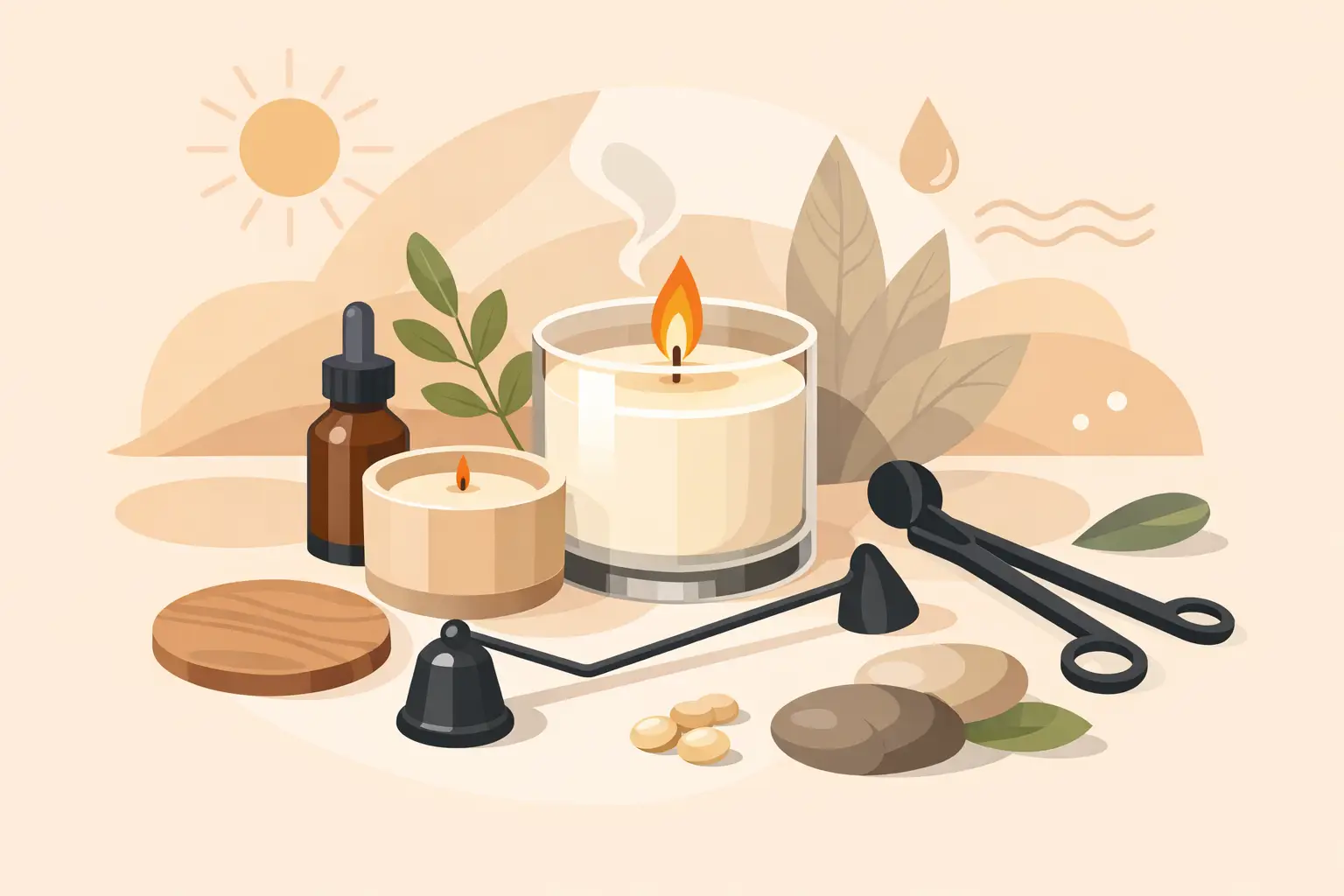
Blowing out a candle is perfectly familiar, but it can send a whisper of smoke into the room and scatter soot onto the wax. If you have a candle snuffer, lower it gently over the flame to put it out. Another option is to use a wick dipper to guide the wick briefly into the melted wax and straighten it again. Both methods help contain smoke.

Whatever method you choose, do not place the lid directly over a burning candle. Wait until the flame is fully out and the vessel has cooled. A hot candle jar deserves a little patience, especially after a long, cozy evening burn.

Soy candle care guide for common little hiccups

Soy wax is natural and beautiful, not factory-perfect in a plastic sort of way. Its appearance may change with the seasons, and those changes are usually cosmetic rather than a sign that anything is wrong.

You may see a crystalline, snowy finish on top of cooled wax. This is called frosting, and it is a common characteristic of soy wax. You may also notice a slight gap between the wax and the glass, known as a wet spot, especially after shifts in temperature. Neither issue changes the candle’s safety or fragrance performance.

Tunneling is more practical to address. If your candle has developed a narrow melt pool, allow it to burn for a few hours with the wick properly trimmed. If the wax still needs encouragement, loosely tent the top of the jar with aluminum foil, leaving an opening above the flame. Watch it closely the entire time, and remove the foil as soon as the surface has evened out. Never walk away from this fix, and do not use it if the jar is already very hot.

If your flame seems too small, the wick may be trimmed too short or temporarily buried in melted wax. Let the candle cool completely, then carefully remove a tiny amount of wax around the wick to expose it. If the wick is too long and the flame is wild, trim it only after the wax is cool and solid.

Make the most of the fragrance

The scent from a quality soy candle often develops gradually as the wax pool warms. Give it time. Lighting a candle for just 10 or 15 minutes may create a pretty glow, but it may not be long enough for the fragrance to bloom through the room.

For the clearest scent experience, avoid burning multiple strongly scented products in the same space at once. A floral room spray, simmering dinner, and a candle with warm vanilla notes can compete rather than complement one another. Let one fragrance take center stage, then change the atmosphere when the moment changes.

Store unlit candles in a cool, dry place away from direct sunlight. Heat can soften the wax, while sunlight can fade color and alter delicate fragrance notes over time. A cabinet, drawer, or covered shelf is far kinder than a sunny windowsill.

Know when it is time to say goodbye

Stop burning your candle when about 1/2 inch of wax remains at the bottom of the jar, or follow the specific guidance on its label if it calls for more. Burning a candle all the way down can overheat the container and the surface beneath it. The final bit of wax has done its fragrant work – let it retire with dignity.

Once the vessel is cool, leftover wax can often be softened with warm water and wiped away with paper towel. Never pour melted wax down the drain. After a gentle wash, a clean candle jar may become a petite vase, a home for cotton rounds, a holder for makeup brushes, or a sweet little place for the bits and bobs that otherwise wander across the counter.

At Dirty Girl Soap Studio, we believe the nicest rituals are the ones you will actually keep. Trim the wick, make time for that first burn, and let your chosen scent linger while you make dinner, run a bath, wrap a gift, or simply sit still for a minute. A well-loved candle does not need complicated care – only a little attention, a safe spot, and a reason to light it.