






A home can be freshly cleaned and still feel a little flat. The difference is often scent: a bright note of citrus at the entryway, creamy vanilla drifting from the kitchen, or delicate petals warming a quiet bedroom. If you are wondering how to make your home smell good, start by thinking beyond fragrance alone. The loveliest homes smell clean first, then beautifully, intentionally scented.
How to Make Your Home Smell Good Starts With a Clean Base
No candle, room spray, or bowl of potpourri can truly charm its way around a lingering odor. Before bringing in the pretty notes, give the less glamorous places a little attention. Empty the kitchen trash regularly, wipe the inside of the refrigerator, clean the sink drain, and wash dishcloths before they develop that unmistakable damp smell.
Soft surfaces deserve equal consideration. Rugs, upholstered furniture, curtains, throws, and pet beds quietly collect the everyday scent of a busy home. Vacuum them often, open the windows when the weather allows, and wash washable fabrics with a fragrance you genuinely enjoy. A clean cotton or soft linen laundry scent makes an especially lovely foundation because it does not compete with the home fragrance you add later.
Keep moisture from stealing the mood
Bathrooms, laundry rooms, and entryways can turn stale quickly when damp towels, wet shoes, or closed-up air linger too long. Hang towels to dry fully, leave the bathroom fan running after a shower, and give footwear a place to air out. If a room smells musty, solve the source before reaching for perfume. Covering a problem usually creates a more confusing scent, not a more luxurious one.
Build Fragrance in Gentle Layers
A welcoming home does not need to smell like a fragrance counter. In fact, one carefully chosen scent family, repeated in soft layers, feels more polished than several competing fragrances burning at once. Think of it as decorating with scent: you want the room to have character, not clutter.
Begin with a candle for atmosphere
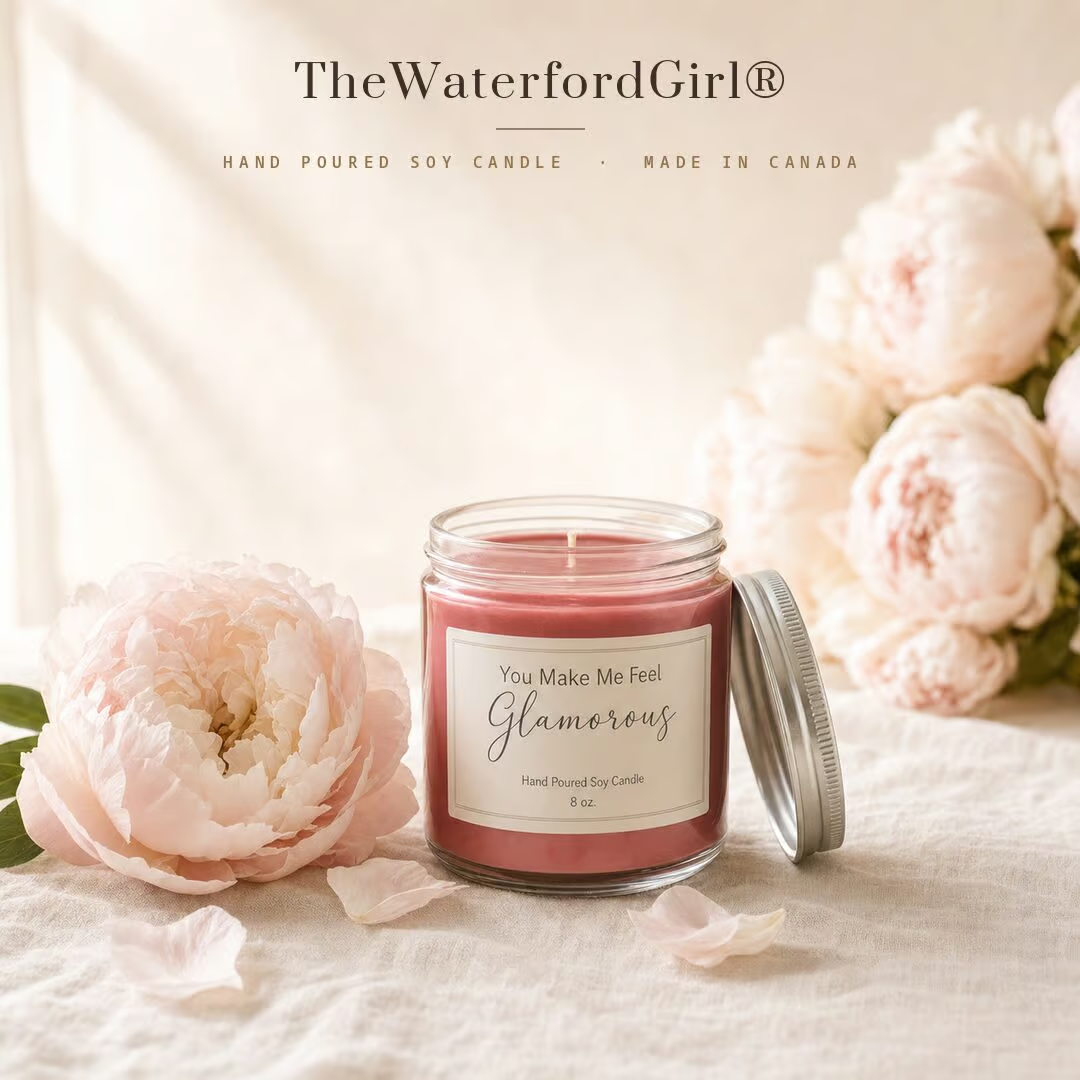
A hand-poured soy candle is ideal for rooms where people gather slowly, such as the living room, bedroom, or dining table. Light it 20 to 30 minutes before company arrives, or while you settle into an evening ritual with a book and a cup of tea. Let the candle pool properly on its first burn, following its care instructions, so it performs beautifully over time.
Choose richer notes like amber, vanilla, sandalwood, or warm spice for cozy evenings. Brighter citrus, soft florals, herbal greens, and fresh linen suit daytime and springtime moods. The goal is not to make a scent announce itself from the front door. It should feel like a lovely detail someone notices when they pause.
Use room spray where scent needs a quick lift
Room sprays are the little black dress of home fragrance: quick, reliable, and ready when the moment calls for it. A few light spritzes can refresh the powder room before guests arrive, revive a guest bedroom after changing the linens, or give the entryway a warm welcome.
Mist into the center of the room rather than directly onto delicate fabrics, wood finishes, food, or pets. If you are scenting pillows or linens, test a hidden area first. The best room sprays float through the air gracefully rather than settling heavily on every surface.
Let potpourri do the quiet work
Deluxe potpourri is wonderfully suited to the places candles cannot always go: a front hall table, bathroom shelf, office, linen closet, or guest room. Botanical pieces, fragrant petals, and natural textures bring visual charm even when no flame is lit. Refresh the fragrance as needed, and keep the bowl away from direct sunlight or moisture to help it stay lovely longer.
At Dirty Girl Soap Studio, this kind of layered scent is part of the pleasure: handmade home fragrance that looks like a polished accent and feels like a small everyday indulgence.
Put Scent Where It Will Travel Naturally
Placement matters almost as much as fragrance choice. Airflow carries scent, so set your candle, potpourri, or diffuser-style home accent where it can gently move through the room without being blasted by a vent or hidden behind a lamp.
The entryway is a beautiful place to begin because it creates the first impression. A light citrus, clean floral, or fresh botanical note feels especially inviting here. In the living room, choose a scent with a little more warmth and depth. Bedrooms call for softer, calmer notes such as lavender, cashmere, rose, or vanilla. For the kitchen, keep fragrance restrained and fresh so it does not compete with dinner. Lemon, orange, basil, and clean herbal notes are usually safer companions than heavy perfume.
Bathrooms benefit from a small, consistent source of fragrance, such as a petite bowl of potpourri or an occasional room spray. In a small space, less is more. One or two sprays are often enough to make the room feel freshly tended.
Give Each Room Its Own Scent Personality
A home feels especially thoughtful when each room has a related but slightly different mood. You do not need a separate fragrance for every corner, but a simple scent story helps the whole space feel collected.
Try bright citrus and leafy greens in shared daytime spaces, then move toward creamy coconut, warm woods, golden amber, or softly spiced notes in rooms designed for rest. Floral fragrances can range from romantic and petal-soft to crisp and garden-fresh, so select them based on the feeling you want rather than the word floral alone.
If you are sensitive to fragrance, keep the palette simpler. A single candle in the main room and unscented cleaning products elsewhere may be all you need. Homes with babies, pets, or guests with allergies also call for a lighter hand, good ventilation, and careful placement. Fragrance should make people feel comfortable, never overwhelmed.
Avoid the Habits That Make a Home Smell Too Busy
The most common mistake is using several unrelated products at the same time: a tropical plug-in, a floral laundry booster, a cinnamon candle, and a heavily scented cleaning spray. Even beautiful notes can become muddled when they all demand attention.
Instead, select one scent family for the day or season. You might pair orange with vanilla, lavender with clean linen, or rose with soft woods. Keep scented laundry products and cleaning sprays modest when you plan to burn a candle later. This gives each fragrance room to breathe.
Also resist the urge to burn a candle all day. Aside from following candle safety guidance, taking fragrance breaks helps prevent nose blindness, the moment when you can no longer notice a scent because you have grown accustomed to it. Turn off the fragrance, air out the room, and return to it later with fresh senses.
Create Small Scent Rituals for Every Season
A beautiful-smelling home is not a one-time project. It is a collection of small rituals that make ordinary days feel cared for. Open a window while changing the sheets. Refresh the entryway before the weekend. Light a candle while tidying the coffee table, then enjoy the room after the work is done.
Let the seasons guide you, too. Fresh citrus and green botanicals feel effortless in warmer months, while vanilla, spice, evergreen, and warm woods make cooler days feel cozy. There is no rule that says you must follow the calendar, though. Choose the scent that makes your own home feel most like yours.
The secret is not filling every inch of the house with fragrance. It is creating those lovely, unexpected moments: the soft scent on freshly made bedding, a welcoming note near the door, and a candlelit room that makes an ordinary Tuesday feel worth lingering in.